Ethical Building Materials
How to support more ethical, equitable, and responsible building supply chains and labor practices.
View Post
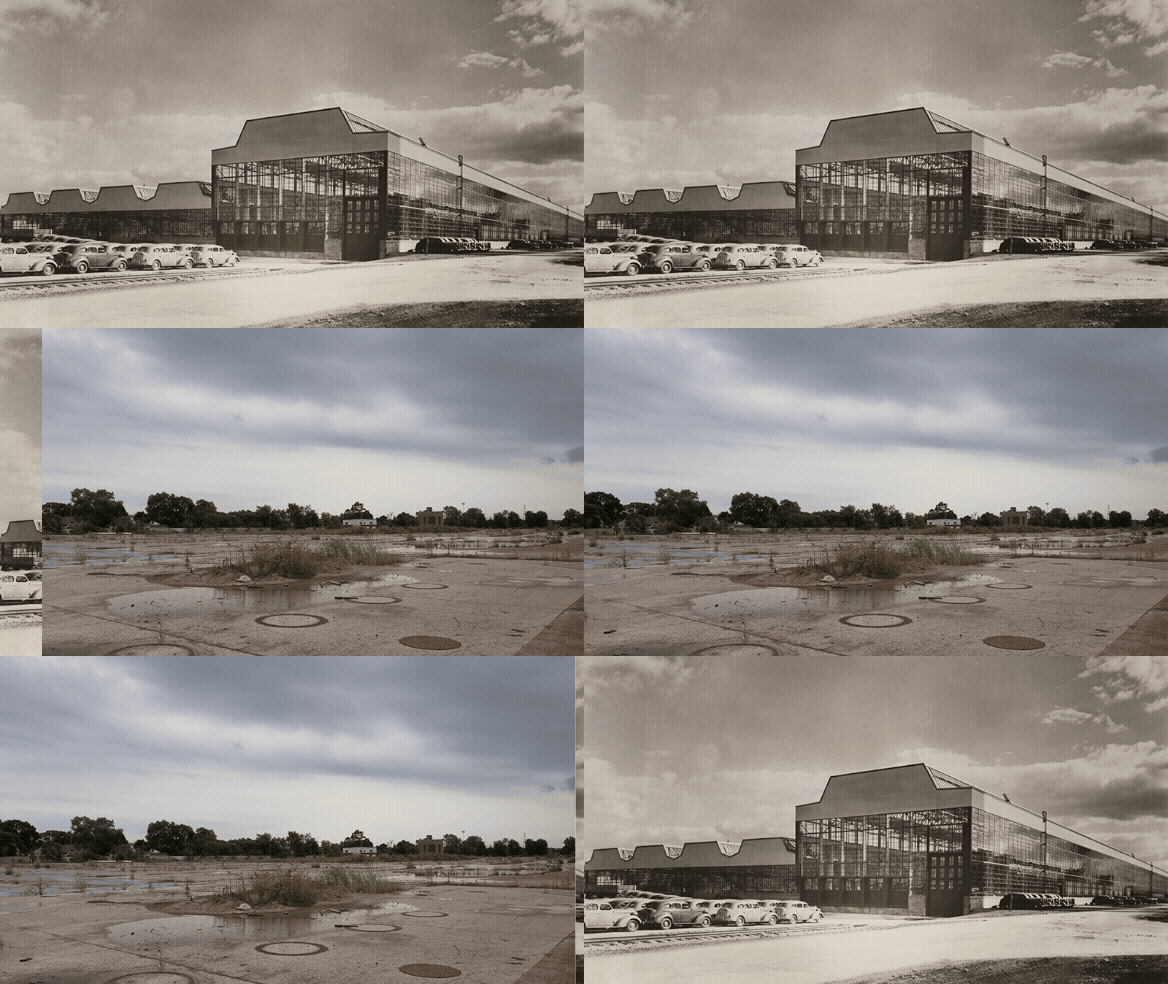
In construction documents, demolition comes first. Before anything new can take shape, a site must be cleared, salvaged, and understood. That sequence has long intrigued me because demolition is usually treated as an ending when it can also be the first act of design. My 2005 thesis, The Generative Powers of Demolition, explored that idea through the lens of Albert Kahn’s McGraw Glass plant in southwestern Detroit, asking what might happen if unbuilding were approached not as waste, but as a deliberate and imaginative part of the architectural process.
The thesis centered on the 1936 Albert Kahn daylit factory that had closed in 2003, leaving behind a 40-acre industrial site and a host of unanswered questions. What seemed at first like a study of one abandoned building quickly expanded into a larger inquiry into the histories, systems, and communities that shape a place. The factory was never just a building; it was a lens through which to examine urban change, industrial decline, ecological repair, and the possibility of a more thoughtful future. As a site and a building, it required attention both to constructive details but also to the larger urban, social and ecological landscapes that surround it. In attending to these details, a series of principles emerged around research, journeys and continuity. Those ideas continue to inform the work CambridgeSeven explores through an interdisciplinary and intellectually curious approach.
To understand the site, I began with research, following leads from the industrial history of Detroit, the glacial and hydrological landscape of Michigan, cultural perceptions of demolition in Detroit and beyond, social conditions of the neighborhood, real estate trends, likely site contaminants and even landfilling practices in Michigan and adjacent Ontario. By assessing the existing conditions of those things which are to be saved, moved, contemplated, discarded and repurposed, we uncover a human narrative that shaped present realities and gain a framework for guiding future decisions. In this case, I learned some amazing facts about the site beyond its essential industrial importance, such as adjacency to one of the world’s largest drive-in movie theaters; proximity to one of largest Arab American communities in the U.S.; one of the largest owner-occupied neighborhoods in Detroit; as well as one the earliest interstate highways and busiest with a massive volume of truck traffic.
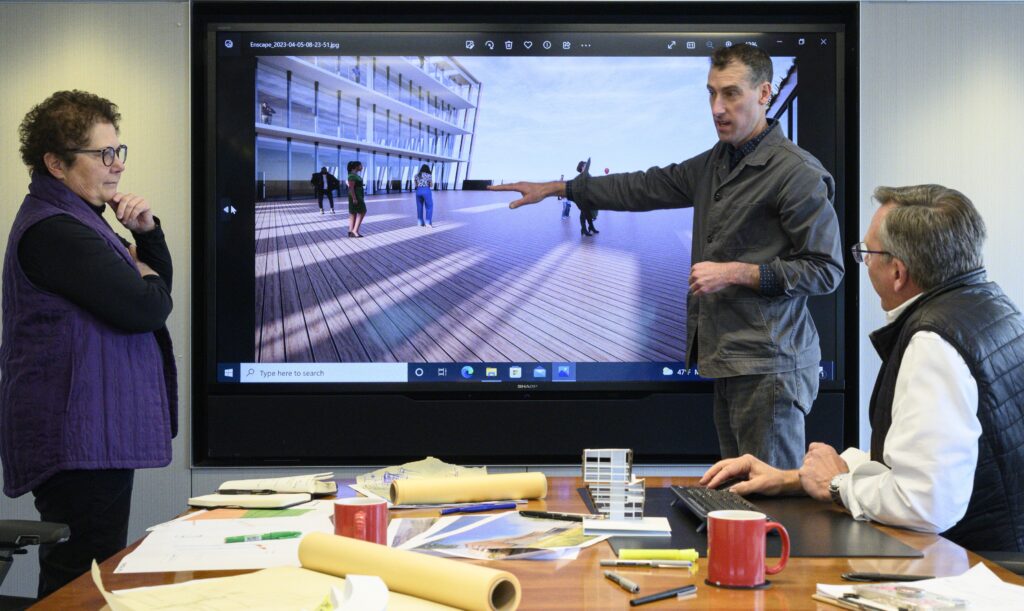
Ultimately the project taught me that research is social. The archive alone was not enough. Meaning came through conversations with caretakers, neighbors, historians, professors and the people who knew the site from the inside out. A place reveals itself differently when you listen to the people who have lived with it. We learn most from our clients, from neighbors, from consultants because the audience and context is always wider and richer than imagined.
One of the more unexpected sources was a 1941 WPA guide to Michigan, which described the state’s industrial landscapes with a mix of wonder and bluntness. Among its many curiosities were factory tours of Detroit auto plants, presented as attractions for family vacations. (Did any family bite on this vacation?) That strange and revealing idea helped shape my own thinking about the visitor journey: how stories about a place can be told through movement, sequence, and experience, not just through plaques or labels. It also suggested that even closed or declining sites can be reimagined as places of learning, memory, and public value. The deeper narratives around human experience and material culture is a compelling way to understand that sites have a history of human and non-human predecessors. And that all sites have a future which is uniquely connected with the past.
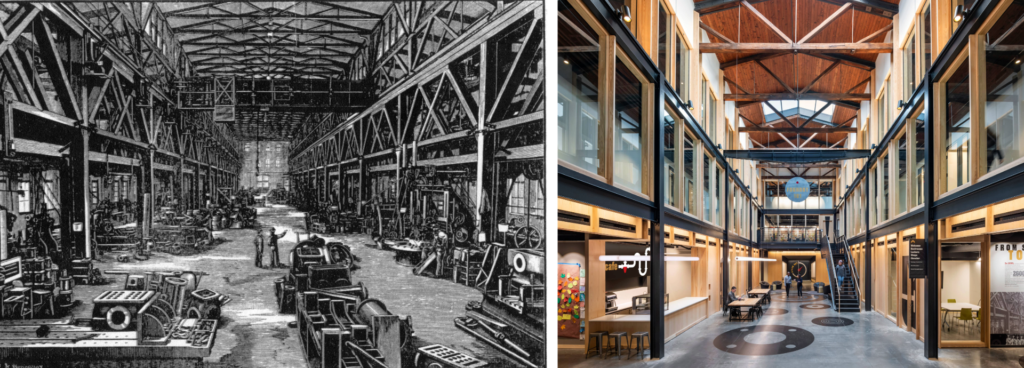
The design phase of the thesis proposed a gradual transformation, even redemption, of the site over 20 to 30 years, with overlapping uses that might begin with transportation, expand into recycling and reclamation, and eventually give way to public open space. That long view matters. Architecture rarely gets the luxury of permanence, and designers often influence a place for only a brief moment in its larger life. Which means the quality of those choices matters deeply. If demolition must happen, it should happen carefully, with attention to material recovery, embodied carbon, and the future life of the site. While the form and function of the factory present challenges around material use, stewardship of resources, and care for community, the unsentimental flexibility and pragmatic adaptability offer lessons in thoughtful building systems and responsibility to long-term, sustainable land uses. It also offers the joy of working on a completely unique project at every turn. As a colleague says, “the perfect CambridgeSeven project is one that hasn’t been done before!”
How to support more ethical, equitable, and responsible building supply chains and labor practices.
View Post
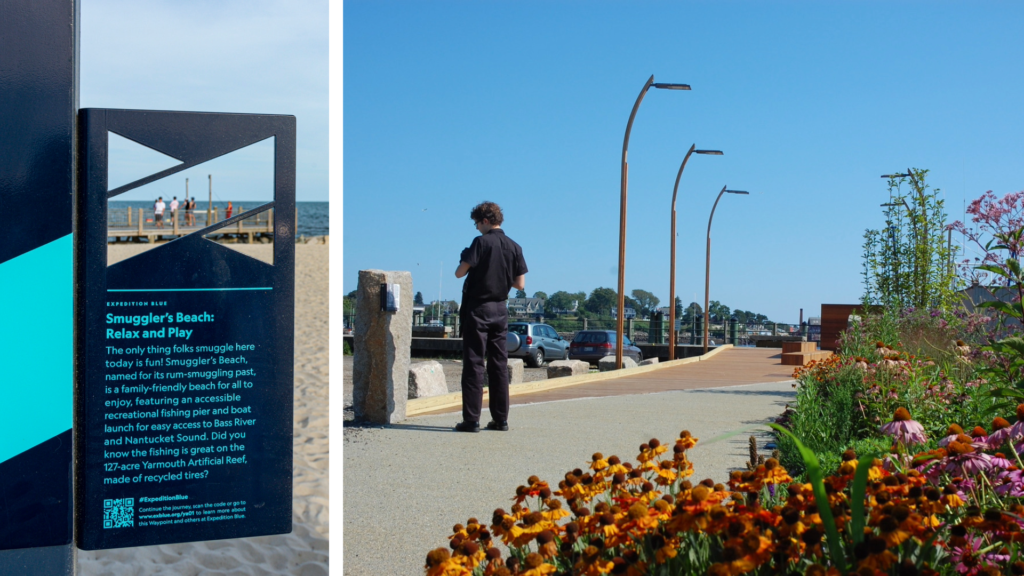
Principal Chris Muskopf, AIA shares how enhanced methods of graphic signage, known as Interpretative Wayfinding, transforms navigation into true engagement within museums, institutions and landscaped environments.
View Post
retrofit - September/October 2023
From Steam to STEAM: The Foundry embraces its history within the new creative community hub
View Post