The Feeling of Space: Materials, Nature, and the Search for Comfort
by Anita Goharfar
We measure comfort in degrees and decibels, carefully controlling temperature, sound, and light to shape our experience of space. Yet comfort extends beyond what can be measured. Human emotions, though difficult to quantify, profoundly shape how we design and inhabit the built environment.
At the intersection of architecture and emotion lies spatial psychology, a field that has long captured my interest. My co-authored thesis, Interwoven, explored how spatial strategies rooted in nature, the transformation of ordinary materials, and participatory design can foster a sense of grounding in stressful urban environments. Through research and a temporary installation, the project sought to bring emotional and psychological comfort into the design process.
Spatial Psychology: Looking to Land Art
The project drew inspiration from land art, a movement that emerged in the 1960s in response to the commercialization of art spaces. Artists turned to raw materials (earth, vegetation), ecological processes (the flow of water), and natural forms (labyrinths, jetties) associated with movement and reflection to reconnect art with nature. Similarly, biophilic design explores how architecture can learn from natural systems, from the structural logic of organic forms to the balance between open views and a sense of refuge.
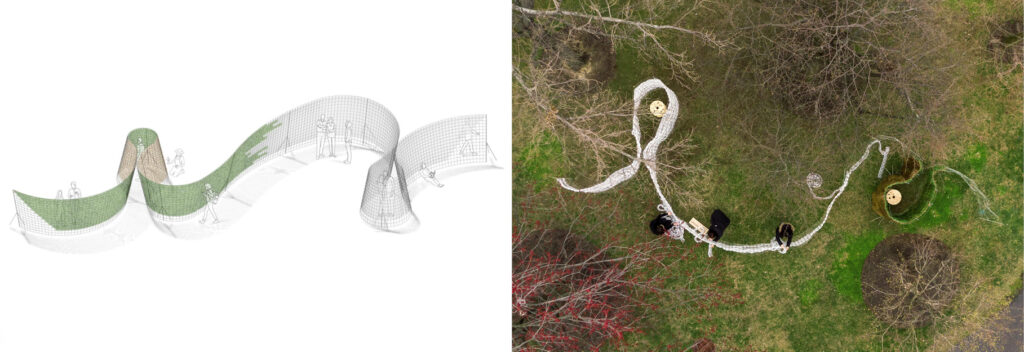
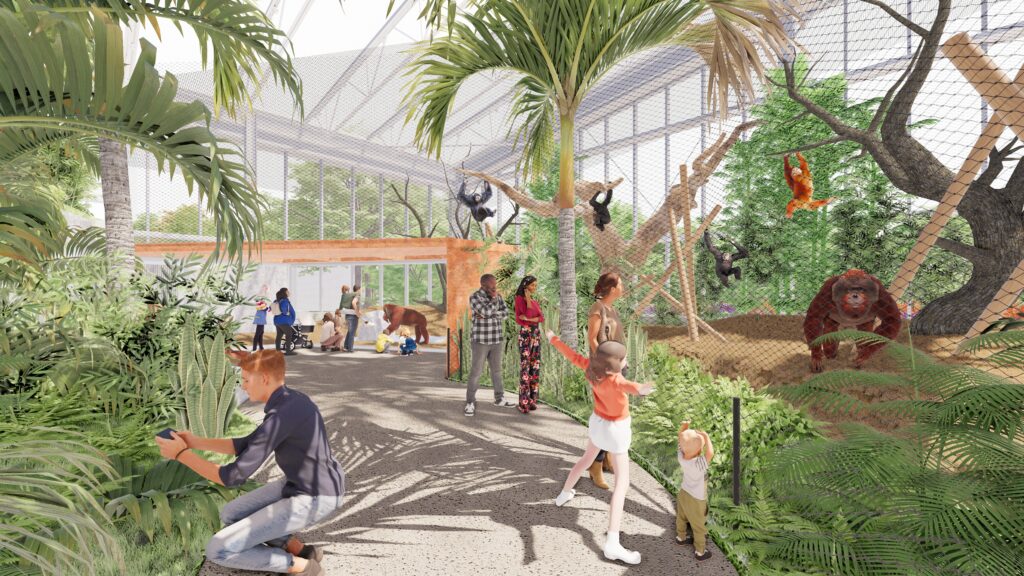
Inspired by these principles, Interwoven used wire mesh, a common gardening material, as its primary framework. The 100-foot-long mesh was loosely shaped into an undulating path, with two enclosures folded at opposite ends, allowing the material between them to take shape organically. Where it rose from the ground, it guided movement; where it tightened and folded, it created intimate spaces for rest and reflection. This balance between intentionality and spontaneity resonates with CambridgeSeven’s work at Seneca Park Zoo, where integrated into the visitor journey are opportunities for visitors to come closer to the animals and their natural habitats.
Sensory Materials: Contrasting Ideas of Comfort
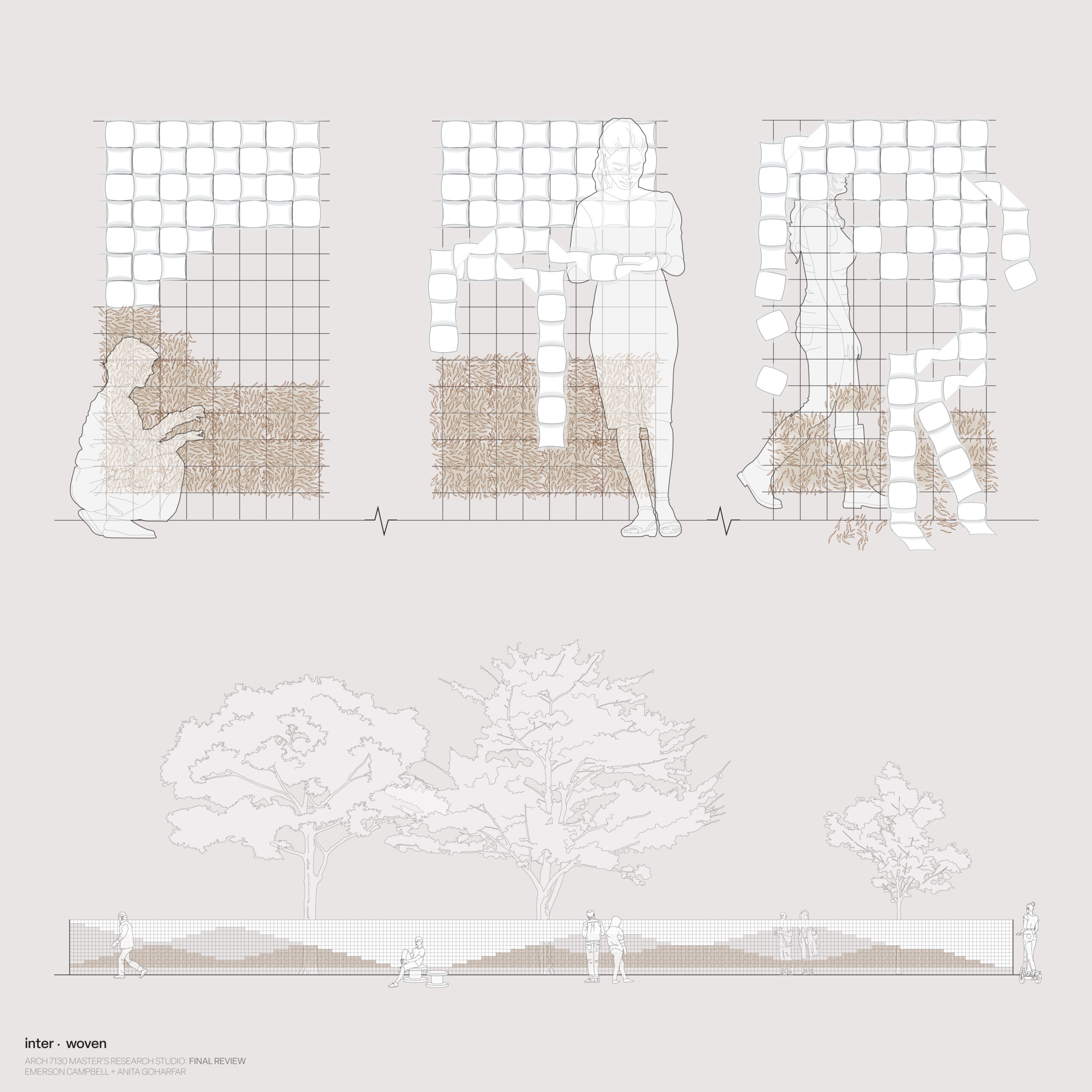
An essential driver of emotion is the activation of the senses. In Interwoven, two enclosures made from vastly different materials explored the relationship between sensory experience and comfort. The natural enclosure, made of wheatgrass, softened surrounding noise and obscured exterior views, drawing attention inward to a tactile experience of grass blades and woven root fibers. In contrast, the synthetic enclosure, made of plastic air pillows, distorted but preserved views of the exterior. Sunlight and blossoming flowers remained visible, while the bustle of everyday life was filtered out, creating a sense of separation and refuge.
Sensory design shapes how we perceive space, where we draw boundaries, and what feels safe, inviting, or isolating. More importantly, it shapes how we remember a place, whether through the quiet intimacy of a sheltered enclosure or the immersive wonder of aquariums and cultural exhibits, where layered lighting, vivid imagery, ambient sound, and interactive experiences engage the senses, deepen our understanding, and foster meaningful connections to both the natural world and human culture.
Invited to Shape: Participatory Design
The project culminated in a participatory build and a two-week installation on Northeastern University’s campus, where students helped weave wheatgrass and air packaging into a mounted wire frame. Rather than favoring one material over the other, participants were drawn to their contrasts, curious to explore how each enclosure shaped their sense of comfort. Some found grounding in the seclusion of wheatgrass, while others sought refuge in the ethereal translucency of the plastic.
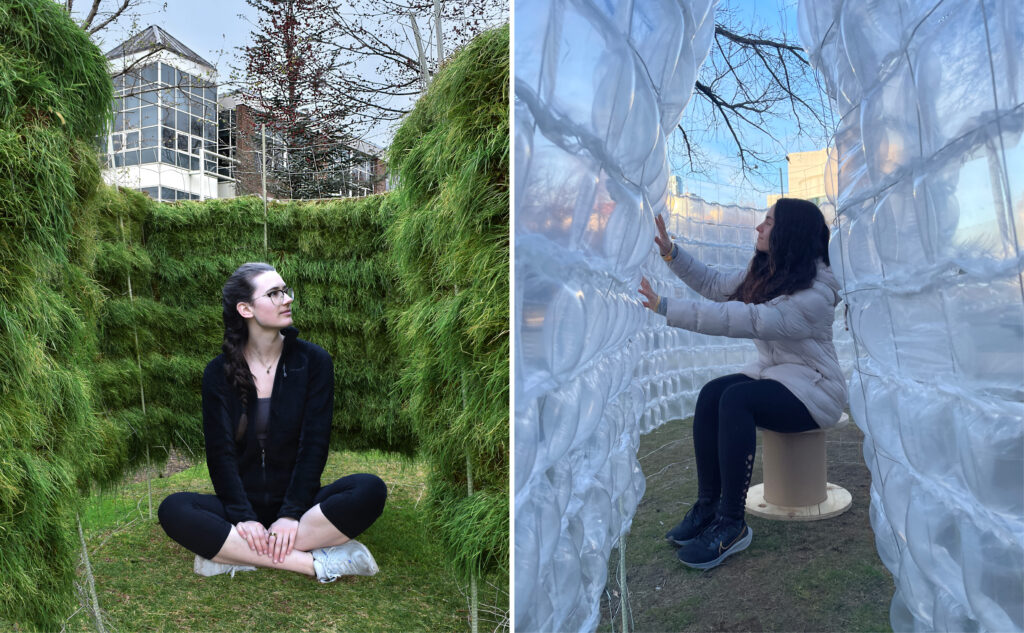
More importantly, the process opened a broader dialogue about what comfort means, whether it can be designed for, and where the limits of design lie. For architects and exhibit designers, participation is a familiar part of the process, but it also offers an opportunity to learn from perspectives beyond our own. While we bring design expertise and technical knowledge to the table, our clients and collaborators contribute lived experience and an understanding of what works, what doesn’t, and why. Ultimately, designing for comfort means bringing these forms of knowledge together, recognizing that the success of a space lies not only in how it functions, but also in how it makes people feel.