Maritime Tales
Enjoy the entertaining tales CambridgeSeven is telling through all new maritime focused exhibits at various museums along the coast.
View PostAs the United States marks a milestone anniversary this year, it offers a moment to reflect on the many places that shape its story, some expected, others less so. Through our work on museums and exhibits, we’ve had the opportunity to engage directly with this history at such landmarks as the USS Constitution Museum and local treasures like Kennebunk Maine’s Brick Store Museum. But it also emerges in surprising settings, from luxury hotels to office buildings. Each holds its own narrative, often layered with intrigue and unexpected connections and very curious histories.
The Mayflower Meetinghouse in Plymouth MA stands at the top of historic Leyden Street as a living link to the Pilgrims’ story. Its roots begin in 1622, when the Mayflower Pilgrims built their first meetinghouse at this location as both their place of worship and as the repository for the colony’s earliest records. From that humble beginning, a place of spiritual ministry has continued uninterrupted on this site for over 400 years, making it the home of the oldest continuous church congregation in New England.
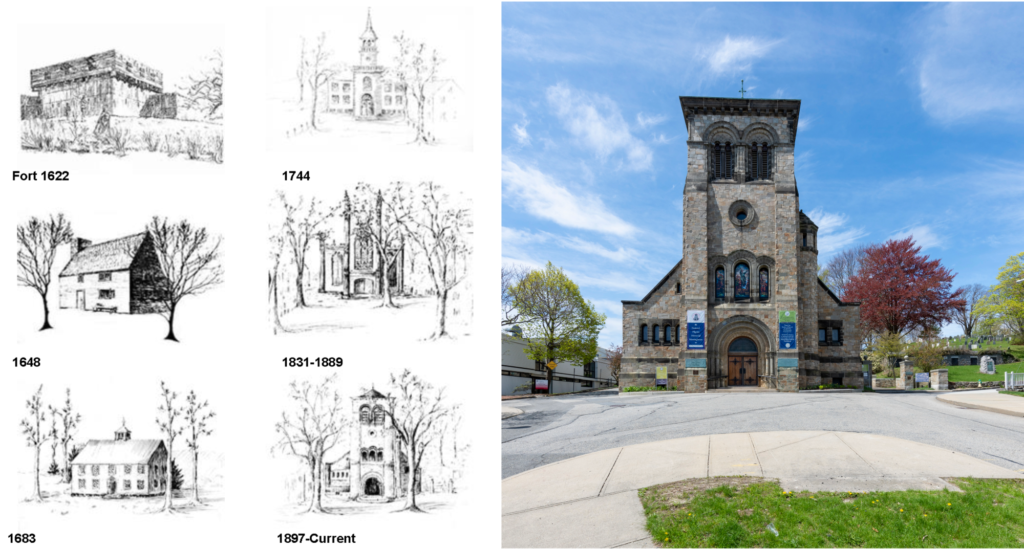
Over the centuries structures were built yet burned or fell into disrepair until the current Romanesque Revival building was completed in 1899. The First Parish Church donated the building to the Mayflower Society in 2018 and is now the National Pilgrim Memorial Meetinghouse, soon to be enhanced with an immersive museum experience.
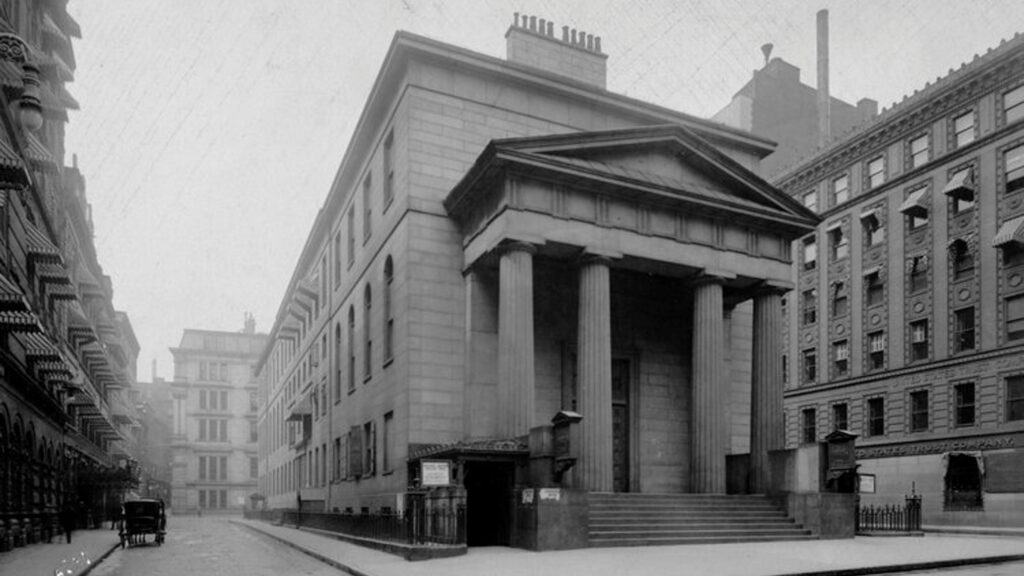
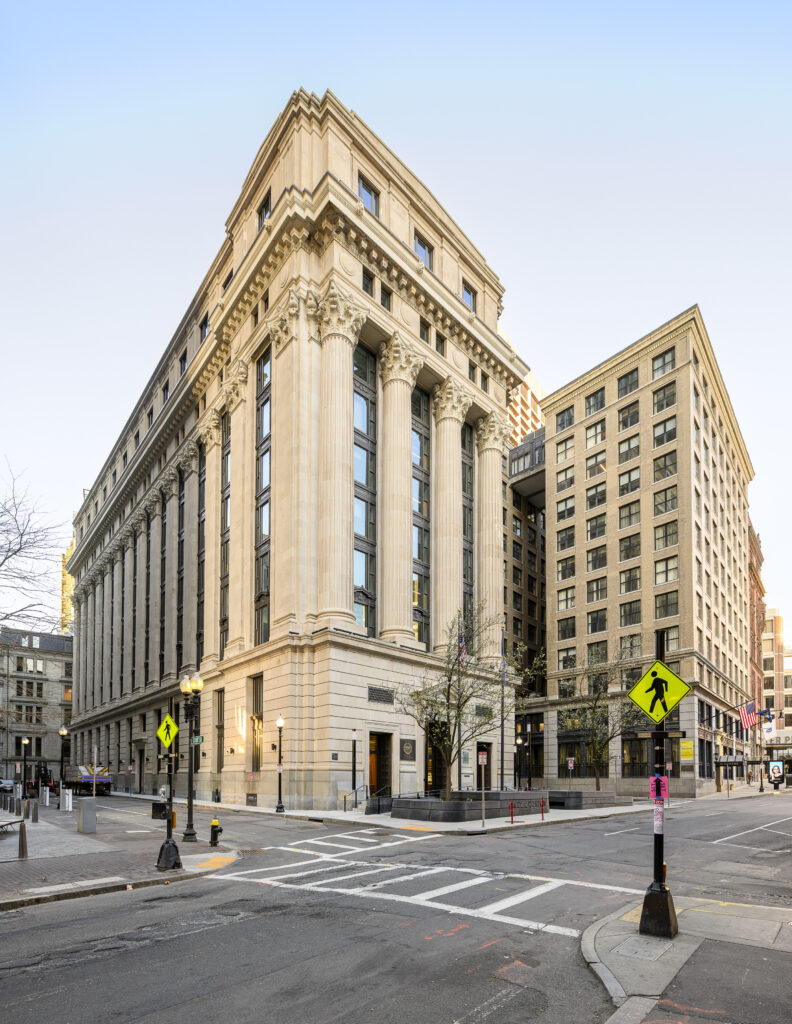
26 Court Street in downtown Boston is the longest City-owned parcel in Boston, a site that traces use back to 1635. This land once held Boston’s Old Prison, the city’s first jail, where figures like Captain Kidd were imprisoned in the 1690s as well as the first women accused of witchcraft in the Salem Witch Trials, Sarah Good, Sarah Osborn and Tituba. The site would be home to Boston’s main jail for another hundred years, holding the common criminals of the day such as debtors, drunkards and religious dissenters.
After centuries of housing the incarcerated, the site became a true seat of justice in 1833, when a substantial granite courthouse in the Greek Revival style was built, giving Court Street its current name. This courthouse became a focal point in Boston’s abolitionist movement and the Fugitive Slave Act hearings. In 1851, it was the scene of the successful rescue of Shadrach Minkins, who was saved from being returned to slavery; as well as the infamous Boston Slave Riot in 1856, after the unsuccessful attempt to free Anthony Burns, a Virginia native who became the last person charged as a fugitive slave in Massachusetts. That effort ultimately failed, underscoring the grim realities of the era. Today’s building was constructed on the site in 1912 as Boston’s City Hall Annex and with renovations recently completed, it continues to serve as offices for various departments for the City of Boston.
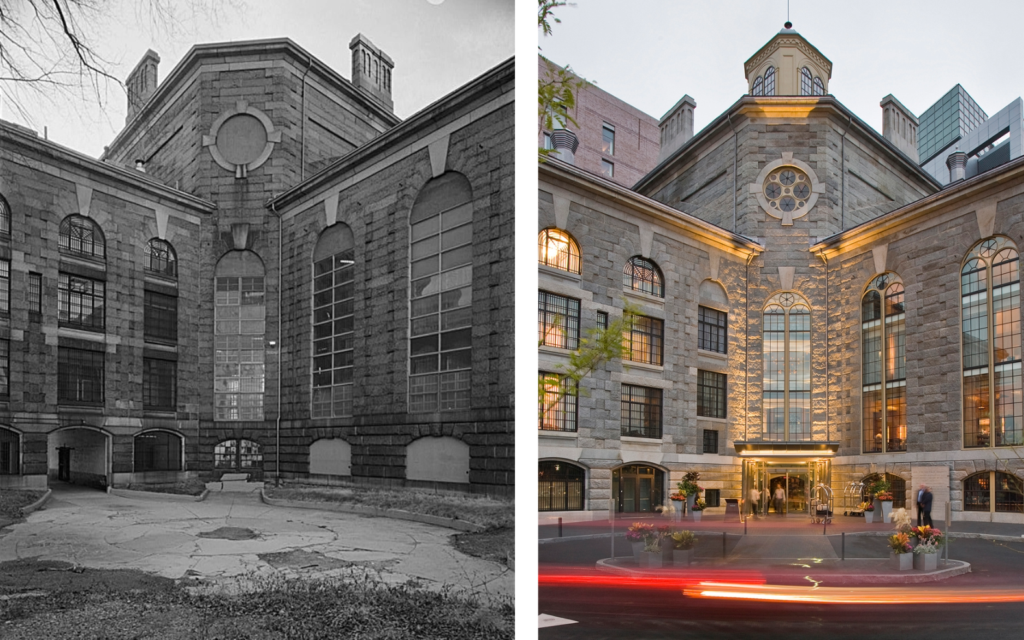
In the same era as the Boston Courthouse, the Charles Street Jail was built between 1848 and 1851 to replace the overcrowded Leverett Street Jail and became Boston’s main jail for more than a century.
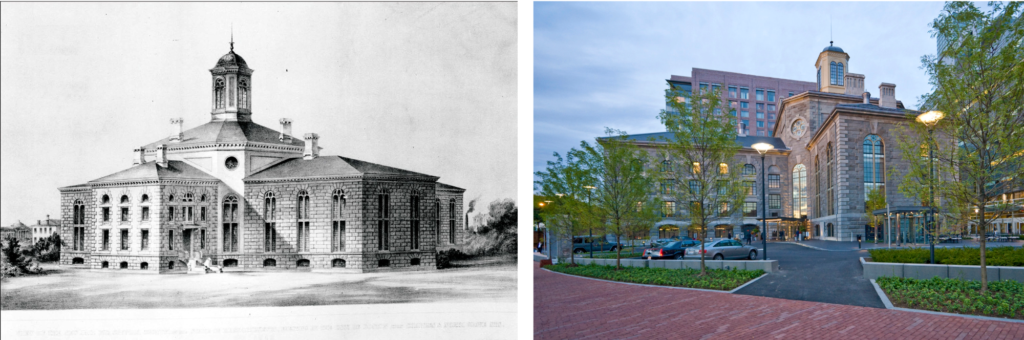
The jail was designed in the humane Auburn Plan, a 1790s English reform scheme that emphasized rehabilitation over punishment. The striking granite building, a key example of the Boston Granite Style, is shaped like a cross with four wings radiating from a central octagonal rotunda featuring a 90-foot atrium, tall arched windows, and 220 granite cells, each 8 by 10 feet. When it opened in 1851, the jail was celebrated as an architectural and reformist triumph, embodying the progressive thinking of the mid‑19th century that prisons should be light, ventilated, and orderly places where prisoners could be disciplined and rehabilitated rather than simply punished.
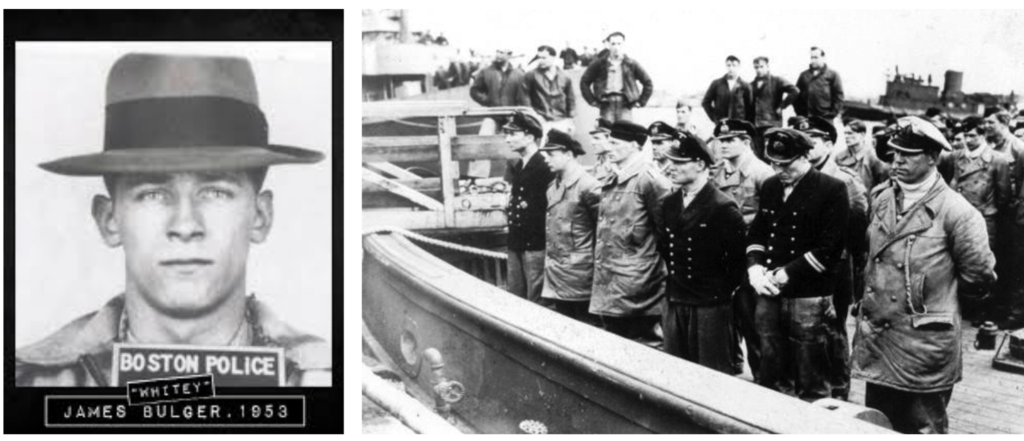
Those original plaudits devolved over the decades until the jail was finally closed in 1990 due to overcrowding and ‘in violation of inmates’ constitutional rights’. Notable prisoners, Whitey Bulger, Malcom X, Sacco and Vanzetti and German WWII POW’s would be hard pressed to recognize its transformation into the luxury Liberty Hotel even though much of the original structure and architectural features were restored.
Boston Children’s Museum occupies a brick mercantile warehouse building that was one of the first constructed by the Boston Wharf Company in Boston’s Fort Point neighborhood. The Boston Wharf Co. turned its vast holdings of shipping wharves into a thriving warehouse and industrial development in the mid-1800’s and the Children’s Museum’s building was used as a wool warehouse. At one point, Fort Point was the epicenter of the entire US wool trade.
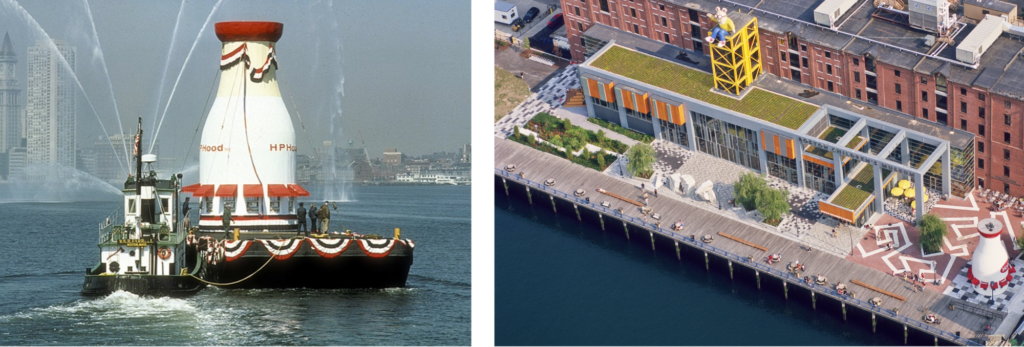
A prominent landmark that now stands outside the museum on Children’s Wharf, is the iconic Hood Milk Bottle that has its own storied journey. Originally built in 1933 as part of an ice cream stand in Taunton, MA, the 40-foot Hood Milk Bottle was later moved to Quincy, MA, where it was repaired and refurbished in preparation for its relocation to Boston Children’s Museum. Once restored, the bottle was loaded onto a barge and sailed through Boston Harbor to be delivered to its current home next to the museum. If it were an actual bottle is it estimated it would be able to hold 58,620 gallons of milk!
101 Rogers Street in Cambridge MA stands a remarkable piece of Boston’s industrial history. The original building features a masonry exterior over a heavy timber frame structure; a combination built for durability and strength. The main building was constructed in 1890, with side wings added in 1910 to expand its capacity.
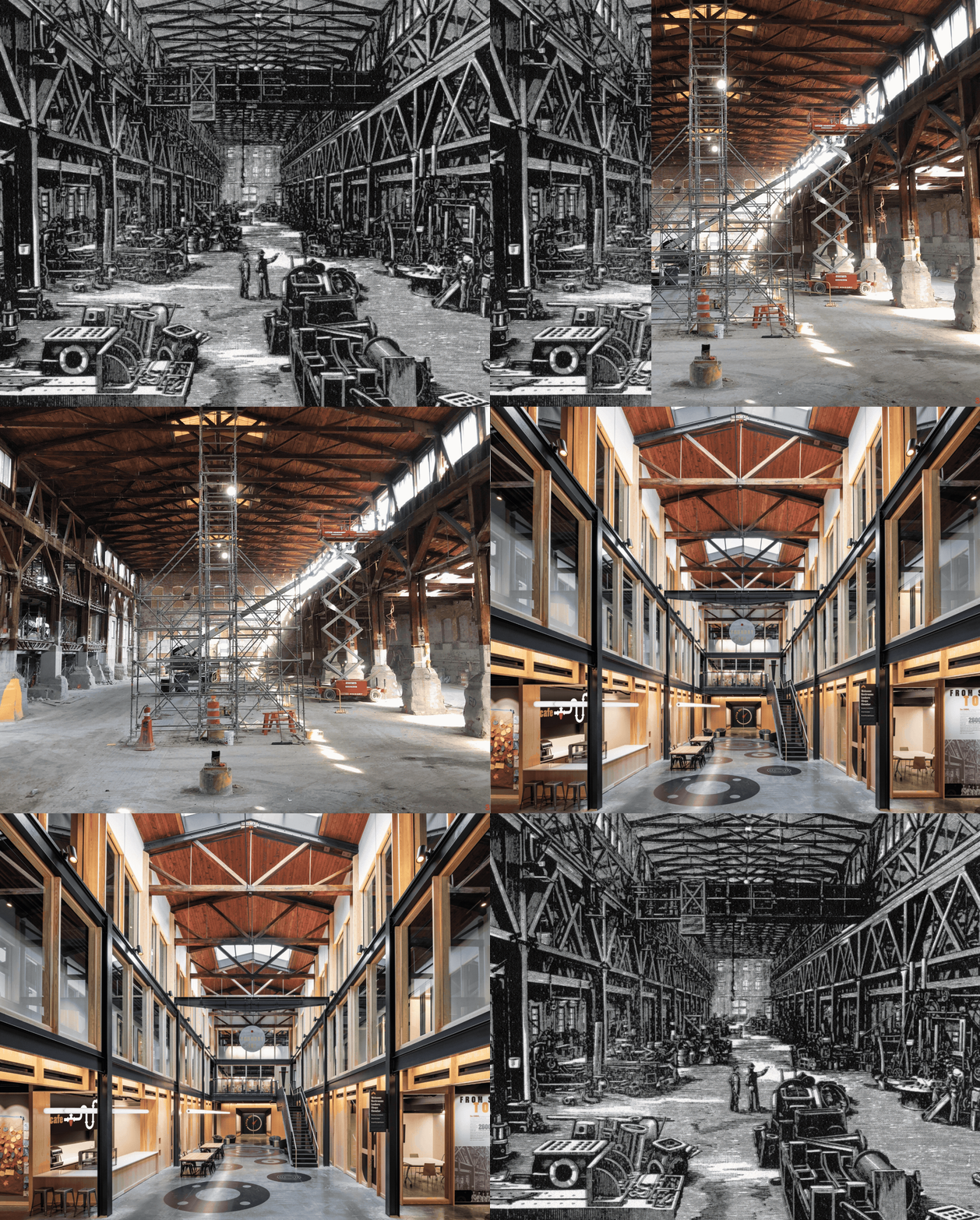
The building operated as a foundry on a single floor at ground level. Designed by L.H. Gager of Palmer, Massachusetts, the structure featured an unusual and innovative truss system specifically engineered to support large cranes essential for iron production. The system used reinforced double wood trusses that rose high within the clerestory to support the beams on which the crane ran, a design that allowed the foundry to process up to 50 tons of iron per day.
The foundry was originally part of a larger industrial complex for the Blake & Knowles Steam Pump Company, a nationally recognized manufacturing facility that once supplied 90% of the pump supplies to the U.S. Navy in the 1930s. This made the complex a critical player in American naval infrastructure during a pivotal era. Today it it’s a thriving community center, fostering creative innovation.
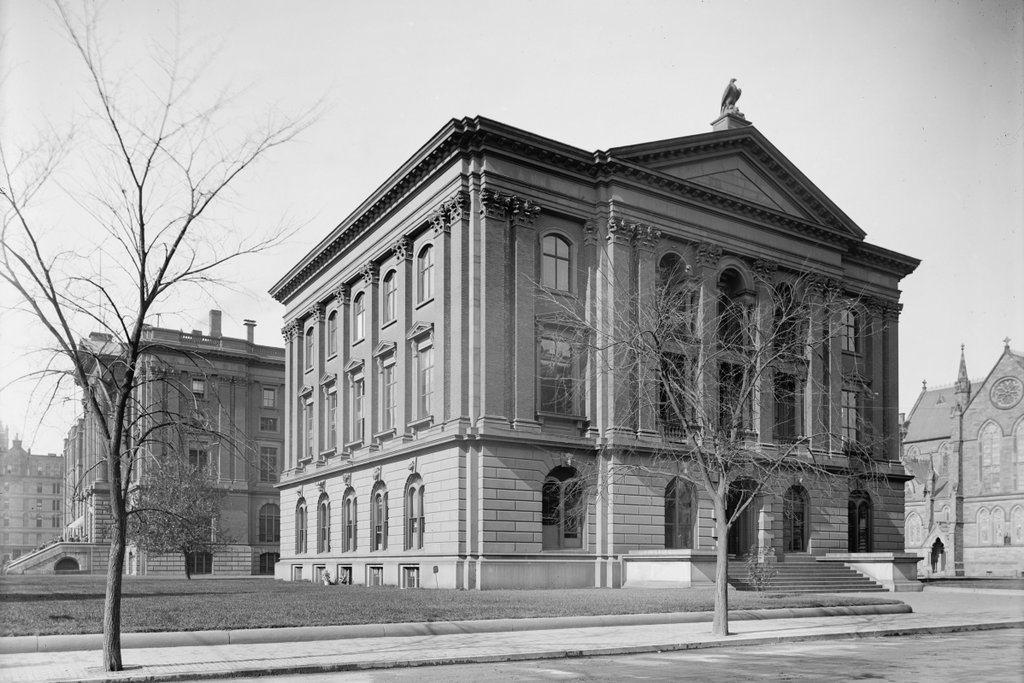
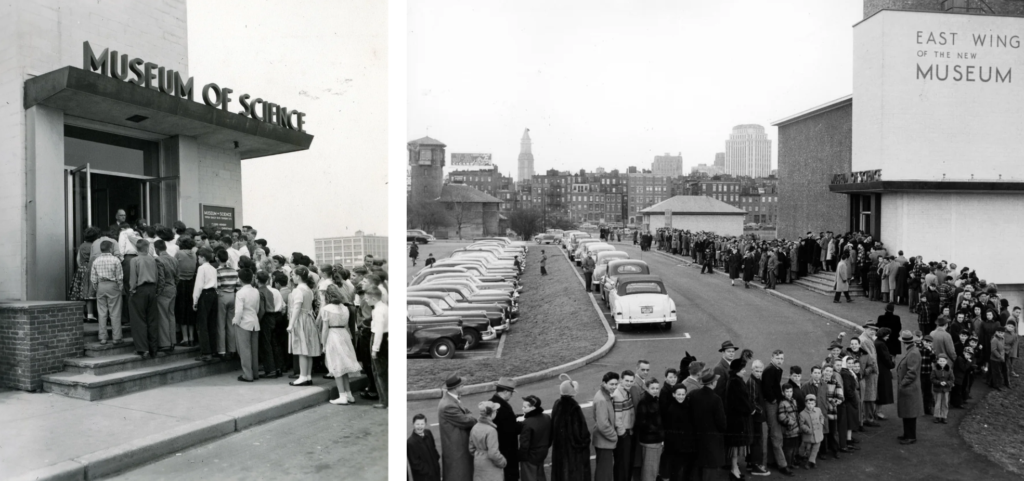
Once housed in Boston’s Back Bay circa 1863, the museum evolved from a natural history society into a major science institution. It also helps explain why the current location at Science Park feels so deliberate: the move was not random, but a response to growth, new exhibit needs, and the chance to build a purpose-designed campus – principles the museum continues today.
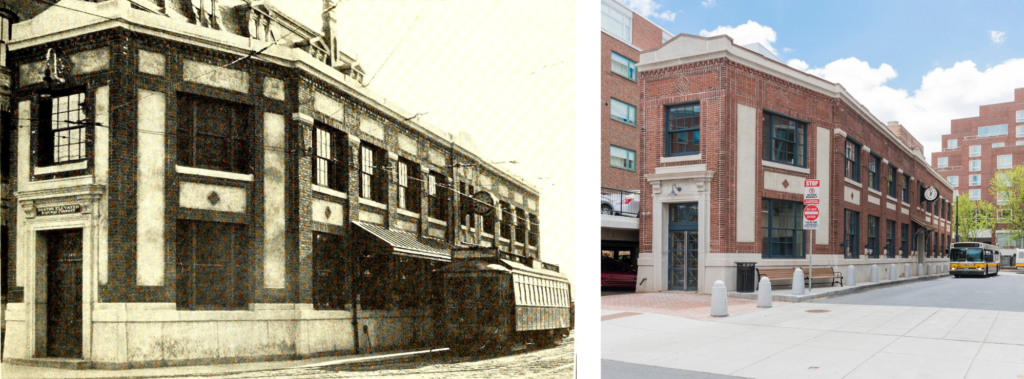
The Conductor’s Building at 112 Mount Auburn Street in Harvard Square is the only original structure surviving from the 1912 construction of the Cambridge Subway, making it a rare and tangible link to the city’s early public transportation revolution. Built that year as the headquarters of the Boston Elevated Railway 7th Division, the narrow two-story brick building (just 20 feet wide!) served as the nerve center for operating the new subway line that first connected Park Street in Boston to Harvard Square in Cambridge, housing spacious work counters, bulletin boards, and checkerboard-topped tables for conductors on the first floor while the second floor contained the superintendent’s office, waiting rooms, and records cabinet. Today, all people are welcome to enjoy the space, now renovated into a buzzy restaurant.
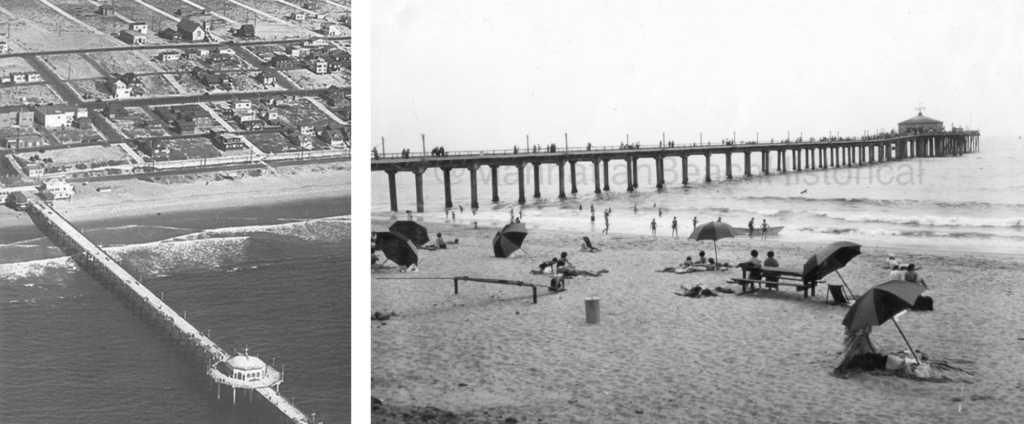
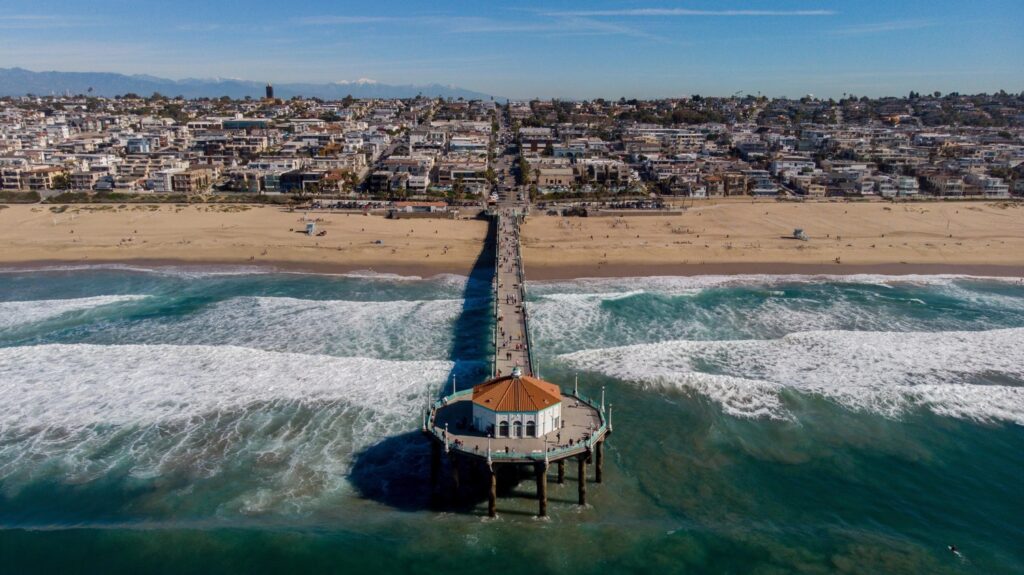
The Roundhouse at the tip of Manhattan Beach Pier is part of the West Coast’s oldest concrete pier, designated a California State Historic Landmark. The octagonal pavilion was built in 1922, a year after the pier’s 1920 completion, to serve as a gathering space for beachgoers and make the pier a notable destination during Southern California’s early 20th-century beach boom. The pier itself originally extended well beyond the pavilion and was designed by engineer A.L. Harris with a rounded end to reduce the impact of Pacific swells, an example of innovative coastal engineering. The Roundhouse later symbolized the area’s shift from a beach resort to a center for marine science education. It was repurposed in 1979 into an aquarium focused on marine science education and research by Oceanographic Teaching Stations, Inc. (OTS), and the latest renovation in 2018 has solidified its status as beloved aquarium for future generations.
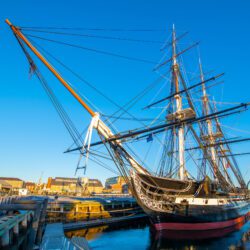
Enjoy the entertaining tales CambridgeSeven is telling through all new maritime focused exhibits at various museums along the coast.
View Post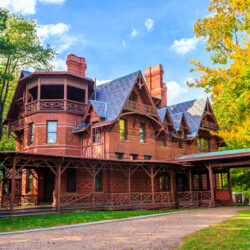
Three local New England museums that are sharing histories with global impact.
View Post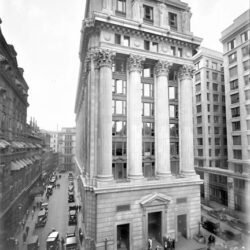
Our case study of 26 Court Street, presented at Greenbuild Los Angeles, showcases how to adapt historic and aged buildings for modern needs.
View Post