Design for Playful Learning
In this article, we explore the multitude of ways we can successfully create playful learning spaces that enrich children of all ages.
View PostWe see firsthand how children’s museums are experiencing a remarkable surge in popularity, and their reach is broader than ever. The Association of Children’s Museums now includes more than 500 member institutions across all 50 states and 13 countries, a clear sign that these spaces have become essential cultural and educational anchors for families and communities. Their appeal isn’t new; children’s museums have long offered advantages that traditional classrooms simply can’t match. These spaces have served as powerful settings for social‑emotional learning, helping young visitors build confidence, empathy, and resilience.
What’s changed is how these strengths are being amplified. Today’s children’s museums are evolving into deeply interconnected community hubs that collaborate with local schools, partner with neighborhood organizations, and engage families in more intentional ways. This shift is transforming them from beloved destinations into vital extensions of a community’s educational ecosystem, shaping how children learn, grow, and experience the world.
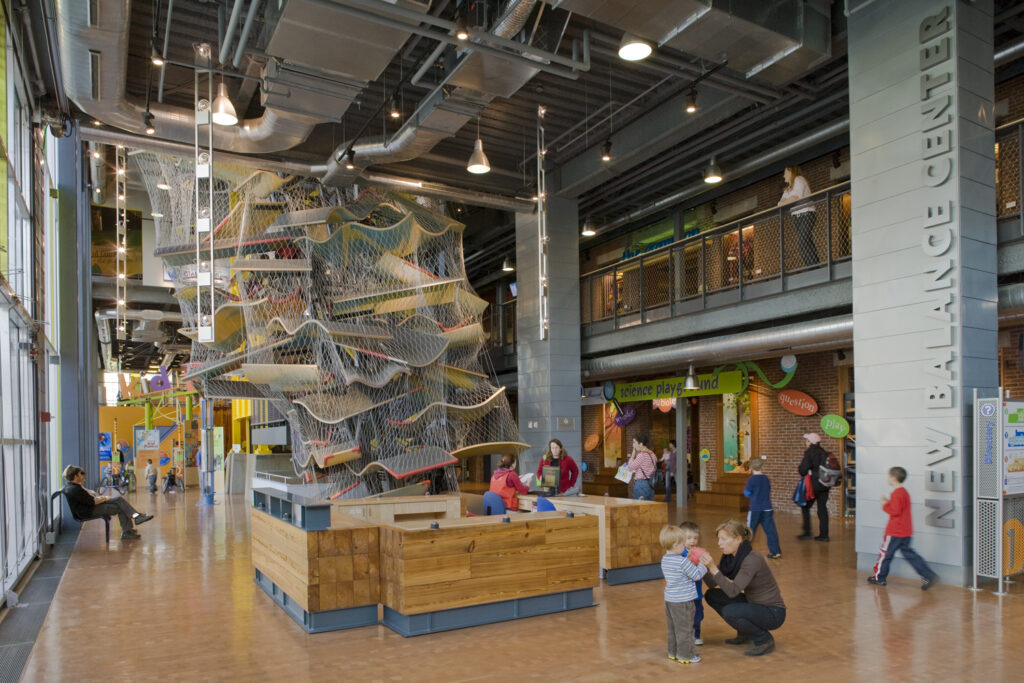
Since our groundbreaking work at Boston Children’s Museum, we continue to build on the fundamentals like hands‑on learning that makes discovery irresistible, play‑based exploration that sparks curiosity, environments that support both gross and fine motor development, and informal, low‑pressure spaces where children can experiment, fail, and try again. But we’re expanding those fundamentals into new paradigms to support the museums’ evolution.
Children’s museums are embracing the powerful shift toward inclusivity and accessibility, rethinking their spaces so every child (and every family) can fully participate. Instead of relegating accessibility to a single quiet room or specialized corner, many museums are designing entire galleries with universal access in mind, recognizing that all visitors benefit from environments that support different ways of learning and engaging. Exhibits are being intentionally crafted for children with disabilities, neurodiverse learners, and multilingual families, ensuring that sensory needs, communication styles, and cultural contexts are not afterthoughts but central design considerations.
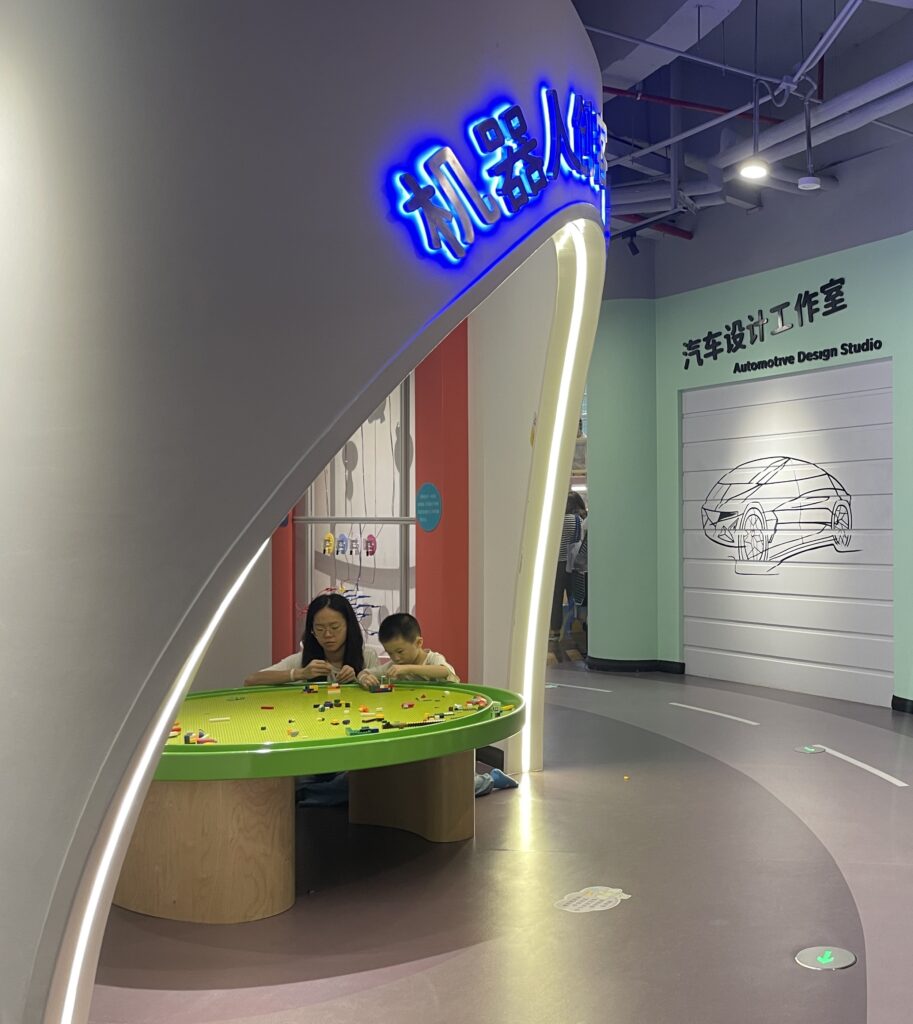
At the same time, museums are expanding their programs and storytelling to better reflect the diverse cultural backgrounds of the communities they serve. This evolution is creating richer, more welcoming spaces where every child can see themselves, explore freely, and experience the joy of discovery.
Today’s museums are also becoming more intentionally rooted in the places they call home, drawing inspiration from their immediate surroundings to shape the exhibits and programming. This approach mirrors the way children naturally learn, starting with what’s right in front of them before they can fully grasp the wider world. By grounding experiences in familiar landscapes and recognizable cultural touchpoints, museums create environments where children automatically feel comfortable and ready to explore. At the same time, these place‑based designs help establish a sense of shared identity and pride. Families want their children to understand that their community is special, that this place matters, and that it’s worth celebrating.
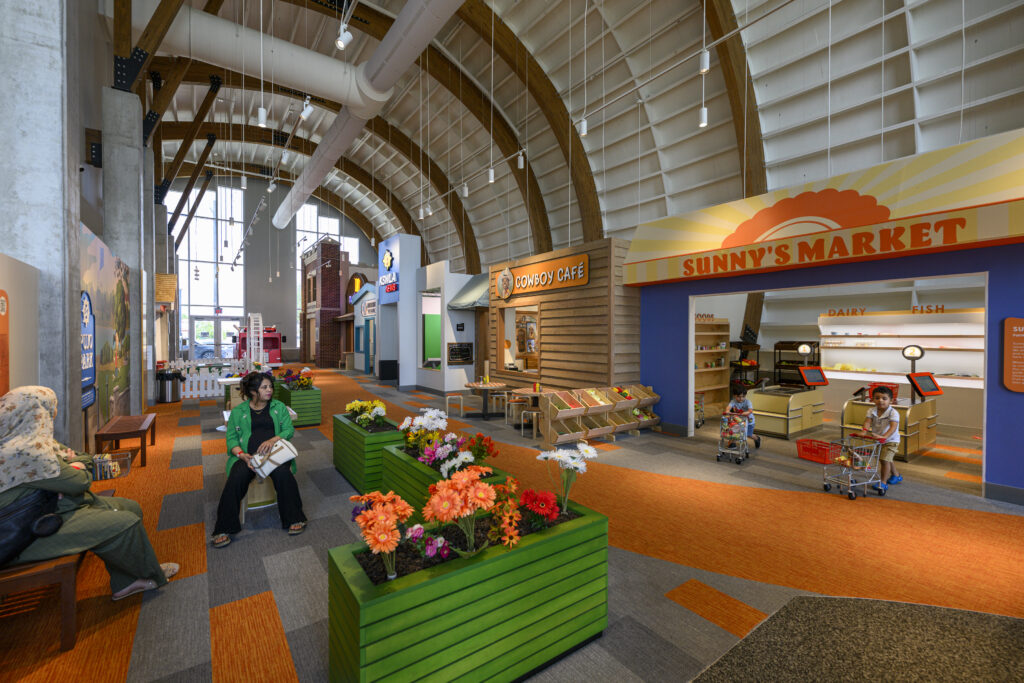
Another new approach involves appealing to a wider range of ages, making sure every child can find something that sparks their imagination. Museums that once focused mainly on little ones are adding experiences that challenge and excite older kids, while those known for serving big kids are finding clever ways to delight younger visitors too. A big part of this shift comes from designing exhibits with multiple layers of learning built right in. Younger children can explore the same activity and walk away with something simple and meaningful, while older or more advanced learners can dig deeper and uncover richer ideas. For families with siblings spread across several years, this kind of flexible, “grow‑with‑you” design is a game‑changer, allowing everyone to play, learn, and discover in the same space, each at their own level.
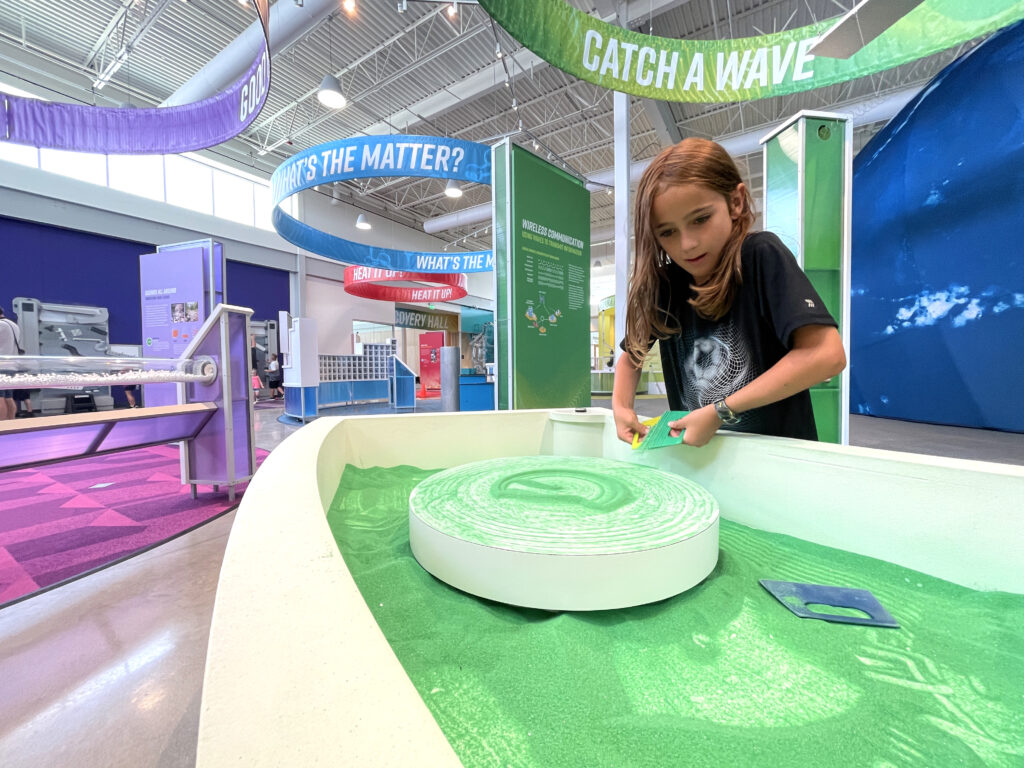
Children’s museums are increasingly stepping into a bold new role as true extensions of the classroom, intentionally connecting exhibits to local curricula to transform a field trip into a meaningful continuation of what children are already learning at school. For educators, this alignment makes museums powerful teaching partners; for students, it creates a sense of familiarity that invites confidence and deeper engagement. Long a cornerstone audience, school groups are now at the heart of a renewed focus on learning through play, where educational outcomes are woven seamlessly into joyful experiences. Fueling this development is the growing presence of maker spaces and flexible classroom environments where ideas are tested, creativity takes shape, and every kind of learner can shine.
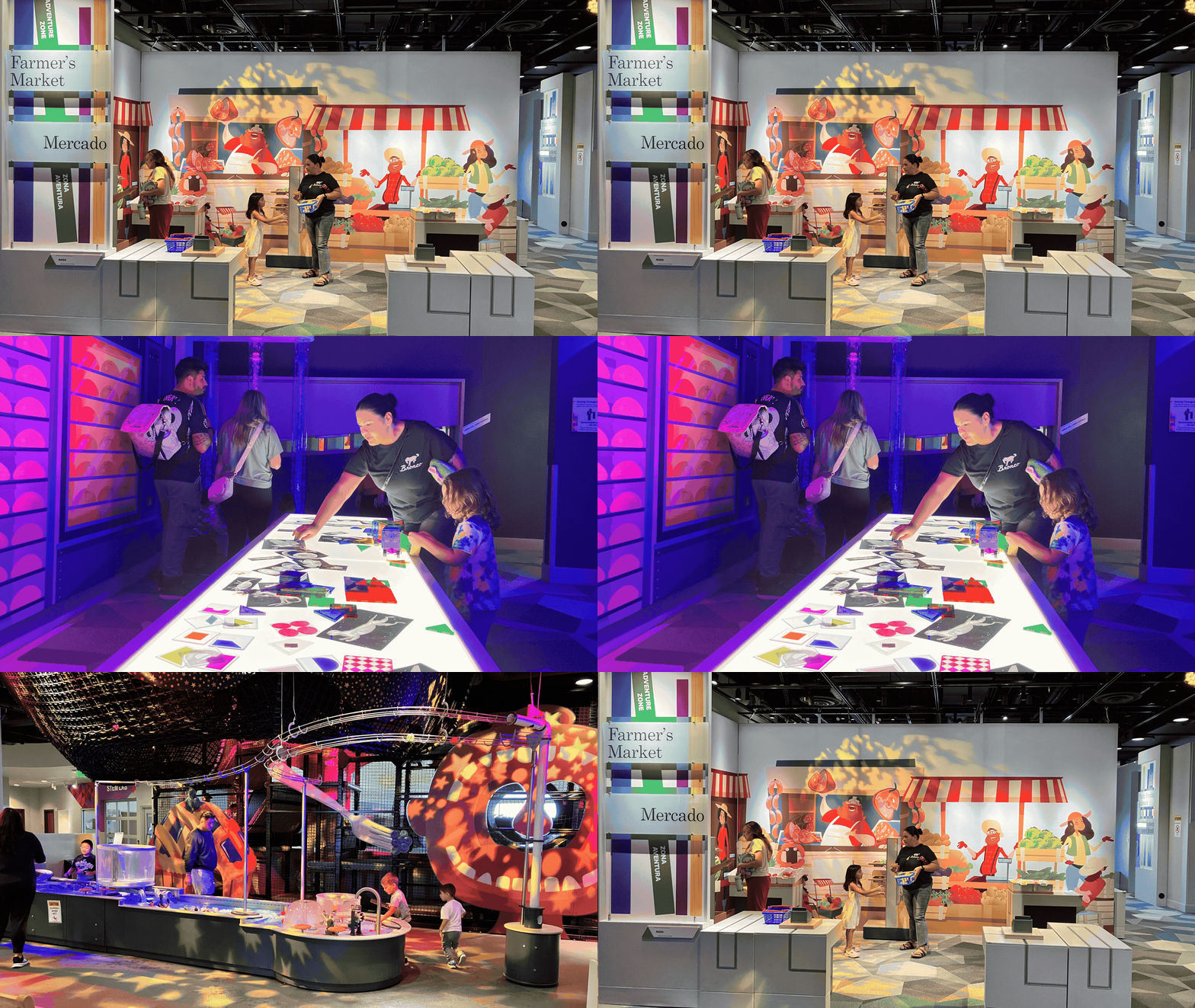
We’re also rethinking the overall arc of the visitor experience, shifting from a collection of stand‑alone exhibits to a more holistic journey of discovery. Rather than moving from one isolated activity to the next, we’re designing exhibits that relate to each other, build upon shared ideas, and unfold over the course of a visit. While the traditional “department store” approach, where each exhibit functions as a singular, self‑contained experience, still has value, many institutions are now layering in connections that encourage visitors to see the museum as a larger, interconnected story. Individual exhibits can still stand on their own, offering moments of quick engagement and delight, but when experienced together, they reveal deeper themes, and reinforce learning. This approach invites children and families to move through the museum with intention, discovering how ideas evolve from space to space and transforming a series of activities into a meaningful, interconnected journey.
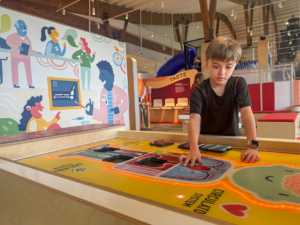
Digital media is also finding a more thoughtful place within children’s museums to enhance hands‑on experiences rather than replace them. While museums have traditionally been seen as screen‑free zones, today’s designers are embracing the variability, customization, and responsiveness that digital tools can bring when paired with physical interaction. Interactive exhibits now often include embedded technologies, like RFID chips, that respond to a child’s choices in real time, offering feedback or encouragement to try something new. This kind of integration adds depth to even the simplest activities, helping children understand cause and effect while staying actively engaged. Digital elements can also amplify the sense of reward that comes with participation, building confidence and motivating learners to take risks, solve challenges, and persist through difficulty. When thoughtfully designed, media becomes less about screens and more about storytelling and guidance, subtly supporting the hands‑on experience that makes children’s museums so powerful in the first place.
Taken together, these shifts point to a future where children’s museums are not only thriving, but becoming essential community resources, expanding who they serve, how they teach, and the ways they invite children and families to engage with the world around them. By embracing these deeper connections, children’s museums are proving that they are far more than places to visit just once but through thoughtful adaptability, they are places that grow with the young minds they nurture.

In this article, we explore the multitude of ways we can successfully create playful learning spaces that enrich children of all ages.
View Post
Our diverse portfolio of cultural projects, ranging from Science and Sports Heritage Museums to our continued expertise in Aquarium design, has provided us keen insights into successfully integrating some of the latest technologies into a museum environment. Timothy Mansfield and Peter Sollogub discuss their Top Ten Tech list.
View Post
To celebrate Ocean Month, CambridgeSeven aquarium experts revisit the idea of Aquarium Trends, focusing on sustainability, resiliency and the incorporation of technology into aquarium exhibits.
View Post